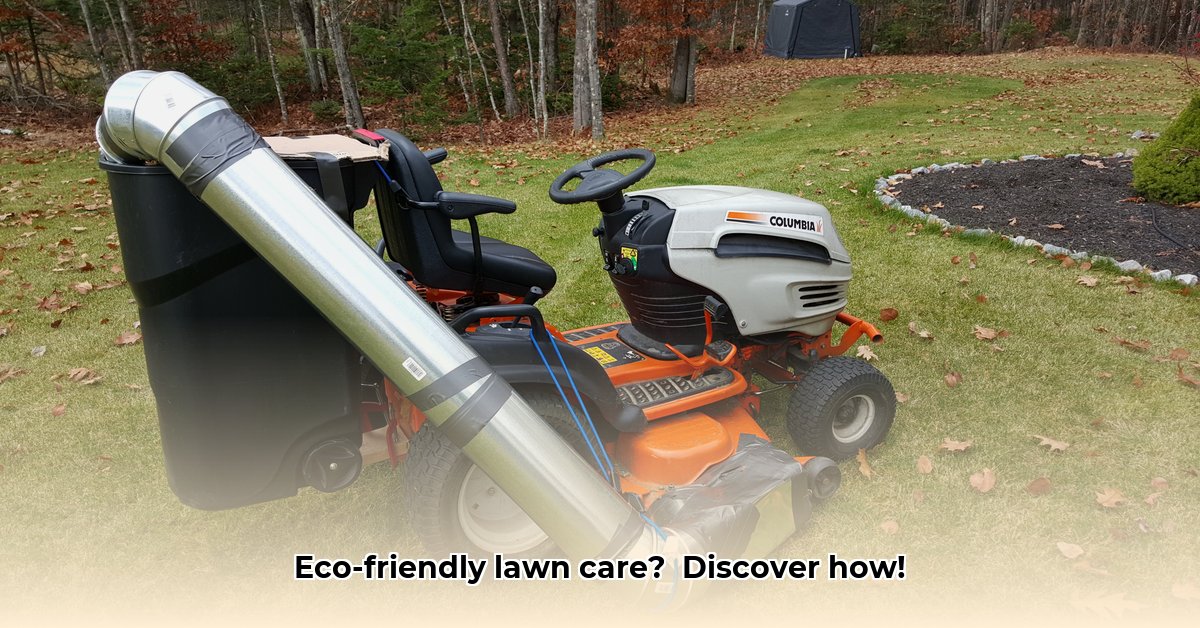
The scent of freshly cut grass—a quintessential summer experience. But beneath that idyllic image lies a hidden cost: the environmental impact of traditional lawn care. For years, we've unknowingly contributed to overflowing landfills with mountains of grass clippings, and the widespread use of chemical fertilizers has polluted our waterways. But what if your weekly lawn mowing could become a part of your eco-friendly lifestyle? This guide shows you how to use a lawn tractor bagger sustainably, transforming a mundane chore into a contribution to a healthier planet. We'll cover everything from choosing the right machine to managing grass clippings responsibly. For larger properties, consider [additional lawn equipment](https://pull-behind-box-scraper-for-lawn-tractor.pages.dev).
Lawn Tractor Baggers: Your Path to a Greener Lawn
Let's be real, mowing isn't anyone's favorite Saturday activity. But imagine transforming that chore into an act of environmental stewardship. This guide will walk you through choosing and using a lawn tractor bagger in an environmentally conscious manner.
Choosing Your Eco-Warrior: Selecting the Right Lawn Tractor Bagger
The journey to a greener lawn starts before you even turn the key. Selecting the right bagger is crucial. Think of it as an investment in your time and the planet's future.
- Bagging Capacity: A larger capacity means fewer trips to empty the bagger, saving fuel and time. Consider your lawn's size to select the most efficient capacity. Don't interrupt your mowing rhythm constantly emptying the bag!
- Durability Matters: A durable bagger will last longer, reducing waste from frequent replacements. Opt for a reputable brand known for quality construction.
- Efficient Design: Look for a bagger with efficient airflow and filling to prevent clogs and wasted effort. A smoothly functioning system equals efficient mowing and less wasted energy.
Did you know? A single bagger can save hundreds of pounds of grass clippings from landfills annually! That’s a significant reduction in waste compared to traditional lawn care methods.
Sustainable Mowing Techniques: Maximizing Your Bagger's Impact
Even with the perfect bagger, your mowing techniques significantly impact the environment. It's not just about the machine, but how you use it.
- Optimal Grass Height: Letting your grass grow slightly longer (around 3-4 inches) encourages deeper roots, resulting in a healthier lawn that needs less frequent mowing and fertilizer. Think of it as a healthy "haircut," not a scalp-removal!
- Sharp Blades are Essential: Sharp blades produce clean cuts, reducing stress on the grass. Dull blades tear the grass, making it vulnerable to disease and pests. Regular blade sharpening is key.
- Mulching Magic (When Applicable): Many baggers offer a mulching option, finely chopping clippings and returning them to the lawn as a natural fertilizer. This significantly reduces waste and provides nutrients. Consider this option if your grass type is suitable for mulching.
Dr. Emily Carter, Professor of Sustainable Agriculture at Cornell University, notes: "Mulching is a game-changer in sustainable lawn care. It reduces waste, improves soil health, and minimizes the need for chemical fertilizers."
Sustainable Disposal: Giving Grass Clippings a New Purpose
What happens after you've collected the clippings? Simply discarding them diminishes your progress. Here are more sustainable options:
- Composting: Nature's Recycling: Composting transforms grass clippings into nutrient-rich fertilizer. Many municipalities offer composting programs or consider a home compost bin.
- Municipal Recycling Programs: Some waste management services accept grass clippings. Check your local guidelines.
Important Note: Avoid bagging and discarding clippings. It counteracts your efforts towards sustainable lawn care.
Beyond the Bagger: Mulching Mowers as an Alternative
Before committing to a bagger, consider a mulching mower. These mowers finely chop clippings and return them directly to the lawn as fertilizer, eliminating bagging entirely. However, this might not be ideal for all lawn types or sizes.
The Bigger Picture: A Holistic Approach to Sustainable Lawn Care
Sustainable lawn care is more than just equipment. Consider these factors:
- Fertilizer Reduction: Over-fertilizing harms waterways and contributes to air pollution. Conduct a soil test to determine your lawn's needs.
- Water Conservation: Water deeply and less often to encourage robust root growth. Utilize drought-tolerant grass if appropriate for your area.
- Natural Pest Control: Prioritize natural pest control methods whenever possible.
Composting Grass Clippings from Your Riding Lawn Mower Bagger
Traditional lawn care significantly impacts the environment. This section focuses on transforming grass clippings into a valuable resource: compost.
Efficient Bagger Use for Optimal Composting
- Regular Empties: Prevent overflow to maintain efficient mowing and avoid decomposition issues in the bag.
- Strategic Cutting Height: Slightly higher cuts leave more clippings for grasscycling, reducing waste.
- Sharp Blades: Sharp blades create finer clippings, leading to faster decomposition in your compost pile.
Sustainable Composting Methods: Turning Clippings into Gold
- Ideal Mix: Combine high-nitrogen grass clippings with carbon-rich “brown” materials (dried leaves, shredded paper). Aim for a 1:1 to 2:1 brown-to-green ratio.
- Pile Construction: Layer materials for improved aeration.
- Moisture & Aeration: Maintain moisture and regularly turn the pile to prevent anaerobic decomposition.
- Accelerators (Optional): Compost accelerators can speed up the process.
- Patience: Composting requires time; allow several weeks to months for complete decomposition.
Key Takeaways:
- Efficient bagger use reduces waste.
- Balanced composting is vital for successful decomposition.
- Adequate aeration and moisture are crucial factors.
- Compost accelerators can improve efficiency.
- Composting requires patience. The reward, however, is nutrient-rich fertilizer for your garden.